Sunday, December 11, 2011

Jackson Springs


What a beautiful spot hidden away in the heart of Macon. I loved getting to see this charming little park.

The lab was, however, not focused on the beauty of the park but, rather, the geology found therein. We discussed the composition of various types of rocks and searched the area for a variety of samples. The bridge holds different types of rock, including:


Granite

and


Gneiss

We also traveled a tree-covered path to the river and took further samples, examining them as they were gathered.


A Monument of National Proportions


Visiting the Indian Mounds was a completely new experience for me. Although I have been in Macon for two and a half years, I had never gone to the Indian Mounds before.


During this lab we walked into the forest and examined a river that had gouged a track in the land. This was most interesting, as it revealed the levels of sediment in the bank of the river. Shades of lightest beige to rustic red could be found there. We even matched the soil samples to hues in a soil color book.


I also enjoyed the short term class pet we gained during our tromp through the woods. The unnamed turtle is hopefully still carrying on.


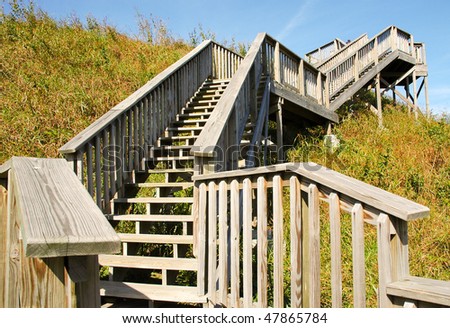
We finished the lab by climbing a slightly winding staircase to a breath-taking view. After being regaled with a bit of Macon's history, we descended the stairs and the lab concluded.


For more info about the Indian Mounds visit here.

Friday, October 7, 2011

Macon's makin' vegetables!

Well, at least the community garden is! 


Vegetables and a sundry of herbs and such grace a patch of raised beds behind Centenary Methodist Church. This community garden is tended to by residents of the area, and they're even so generous as to also work a small area outside the fence for anyone to pick from (the plot inside the fence is meant only for those who've put in the work of raising the plants). This project is aimed at teaching city dwellers how to garden - and the value of doing so. We even got to hear about the program from one of its directors! 


For more information about Macon's community gardens, visit MaconRoots.


We visited for more purposes than talking about the gardens, though. Soil was the central point. We took samples of dirt using the "split spoon corer" and sifted some soil as well. Also, bucket full of mud (or should I say, sandy loam) made it into the mix.

Negative feedback loops - Blood sugar style

Negative feedback loops make homeostasis possible. I can't imagine what a mess we would be if they didn't exist. 

One example of a negative feedback loop is our body's ability to monitor the levels of glucose in our blood. But how does this even work?

Basically, the pancreas houses receptors for monitoring these levels. Two hormones are released at different levels by the pancreas based on what its receptors are communicating. Either insulin, which helps reduce glucose levels, or glycogen, which increases glucose levels, is sent to the liver. The liver is the place where these reactions take place, since it is the store house for glycogen.

The graph below is an interpretation of the data gathered in class. I couldn't have handled pricking my finger this many times in an hour. Props, Dr. Rood. 


Sunflower Baby

Oh, my baby sunflower. It's been through a lot...or, rather, they've been through a lot.
I started out with three beautiful sprouts. (What a proud mother I was!) Watching them grow from little seeds to vibrantly green leafed stalks was incredible. In experiencing this, I was moved to amazement at how growth even takes place! Water + soil + seeds + sunlight = a plant! I know that chemical processes that make this possible are occurring, but I'm still in awe. 
BUT...on to the bad news. My three little seedlings were coming along just swimmingly (at least six inches tall!) when a tragedy occurred. Two of their stalks, to their demise, were accidentally bent. I'm still mothering one little plant and I'm very thankful for it. 

Thursday, October 6, 2011

Vertisols


I never knew a soil type could be so interesting! Vertisols, apparently a capable of some pretty cool things - and they make up only about two percent of the U.S.'s soil.  They shrink, creating wide cracks, when it's super dry, but when they come in contact with moisture again they swell back to a smoother state. What adaptation! I must confess, though, that another reason I find this soil type particularly fascinating is because it exists mostly in Texas. I have an undying love for all things associated with Texas and soil is no different.

For more info visit here.

Fun Foliage of Mercer U


First, my favorite tree: the weeping willow. I know we didn't go over this one in the lab, but it is on Mercer's campus too. I promise!


Mexican petunia


Crepe myrtle

I wish I had a picture of my front yard for this one! We have a row of large crepe myrtles down by the road and they're quite beautiful, if I do say so myself. Perhaps their success is what gave my mother license to monitor the crepe myrtles in the yard of our church. She even accused some of the men who did the yard work, albeit jokingly, of crepe myrtle murder!


Dogwood!

My family also has a few of these around the yard back at the homestead in Alabama.


The apparently deadly angels trumpet...yikes!


Awesome elephant ear! 

I remember these being in the yard of my family's house in Paraguay. Good times.


Live oak. Magnificent. 

This is one of my favorite trees. I love how much character they have!


Howdy! It's a hickory!


Lovely larch.


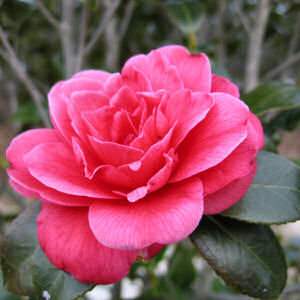
Camellia. The state flower of Alabama!


Hydrangea

My sister-in-law used these in her bridesmaids bouquets and they were absolutely gorgeous!


This was probably my favorite lab. My parents are for some reason connoisseurs of landscaping and plants and such, so I had heard of many of this foliage before.